can you get an infection from athlete's foot Athlete’s foot: what is it and how to prevent it? > niruja healthtech
The highly uncomfortable and itchy sensation of Athlete’s Foot is not something that anyone would like to experience. It is a fungal infection that can occur on the foot and has various symptoms such as cracks in the skin, itchiness, burning sensations, and redness. In the majority of cases, it develops due to sweaty shoes, humid environments, or close contact with someone who already has this infection. If you’re experiencing some of the symptoms mentioned above or simply want to prevent this infection from happening in the future, there are a few things that you can do. Firstly, it is important to keep your feet as dry as possible, as fungi thrive in humid environments. Secondly, it is essential to wear appropriate footwear that is breathable and made of moisture-wicking materials. Avoid wearing the same shoes every day, and switch to shoes that have already dried completely. Changing the socks frequently and opting for socks made of moisture-wicking materials can also help keep the feet dry. When it comes to treatment, there are various over-the-counter medications available, but it is important to consult with your healthcare provider for recommendations as well as proper dosage and duration of treatment. Soaking the feet in warm water is also an effective way to relieve itchiness and any discomfort caused by Athlete’s Foot. Applying antifungal cream 2-3 times daily after thoroughly cleaning and drying the affected areas is recommended. Preventing Athlete’s Foot in the future is essential; not only will it help avoid future discomfort, but it will also aid in preventing the spread of the fungus. Here are some tips: 1. Avoid walking barefoot in public areas, especially in showers, swimming pools and locker rooms, as this increases the risk of contracting the infection. 2. Use antifungal spray or powder in your shoes, especially ones that you wear regularly and are prone to sweating. 3. Let your shoes air dry completely before wearing them again, to avoid trapping moisture and creating a humid environment for fungi to thrive. 4. Don’t wear the same pair of shoes every day; alternate between shoes to allow them time to dry and deodorize. 5. Keep your toenails trimmed and clean; this helps to avoid accumulating fungus in the toenails. In conclusion, preventing Athlete’s Foot is not complicated, but it requires diligence and good hygiene practices. If you’re serious about avoiding this fungal infection, then it is important to maintain a clean and dry environment for your feet. Keep your feet clean and dry, wear appropriate footwear made of moisture-wicking materials, and be sure to follow the treatment prescribed by your healthcare provider, and you’ll be well on your way to preventing Athlete’s Foot.
If you are searching about Athlete’s Foot Treatment | U.S. Dermatology Partners you’ve came to the right place. We have 5 Images about Athlete’s Foot Treatment | U.S. Dermatology Partners like Athlete’s Foot. But I’m Not Even an Athlete!… - The Dermatology of, Triad Foot Center and also Athlete’s Foot Treatment | U.S. Dermatology Partners. Here you go:
Athlete’s Foot Treatment | U.S. Dermatology Partners
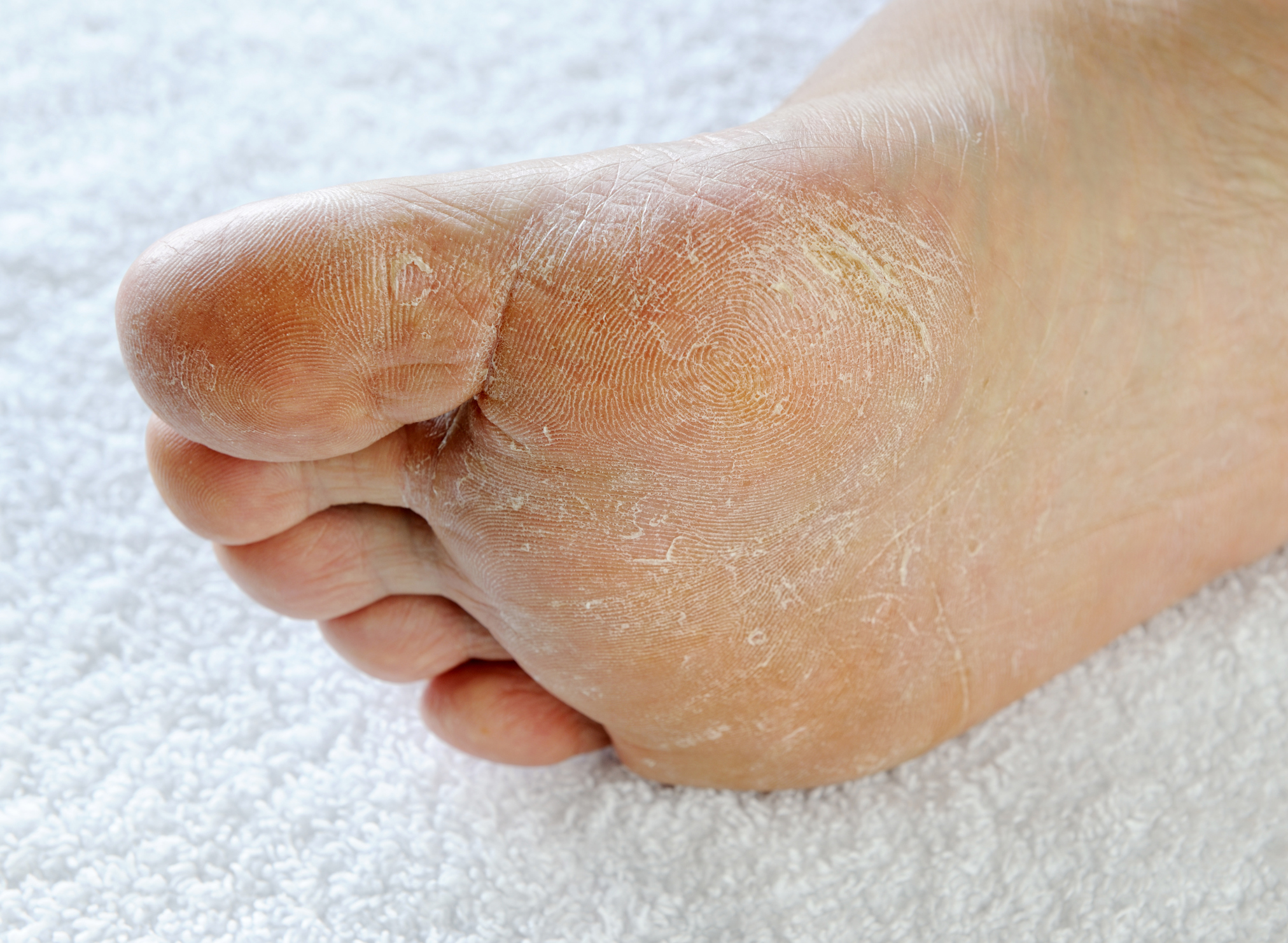 www.usdermatologypartners.comathlete athletes
Athlete’s Foot. But I’m Not Even An Athlete!… - The Dermatology Of
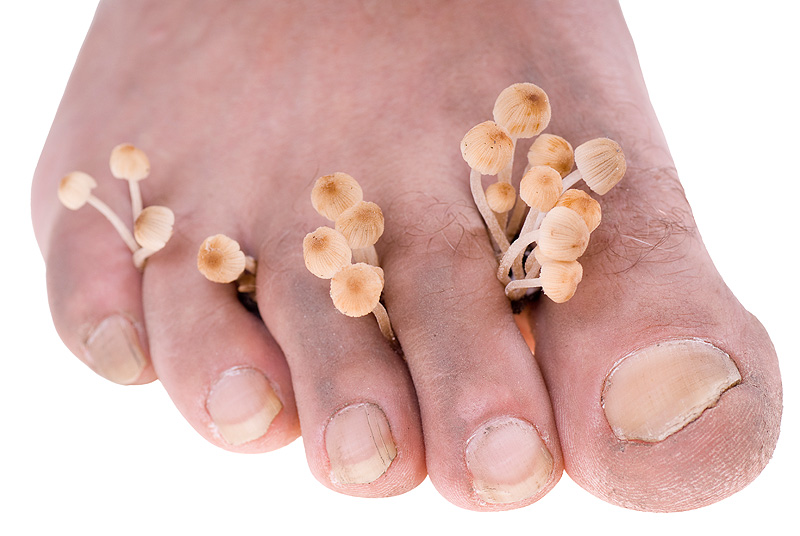 www.dermboston.comfoot athlete even but athletes
Triad Foot Center
 www.triadfoot.comfoot athletes feet toenail athlete conditions ready spring causes skin triad center breeze those into tinea pedis symptoms between
Athlete’s Foot: What Is It And How To Prevent It? > Niruja HealthTech
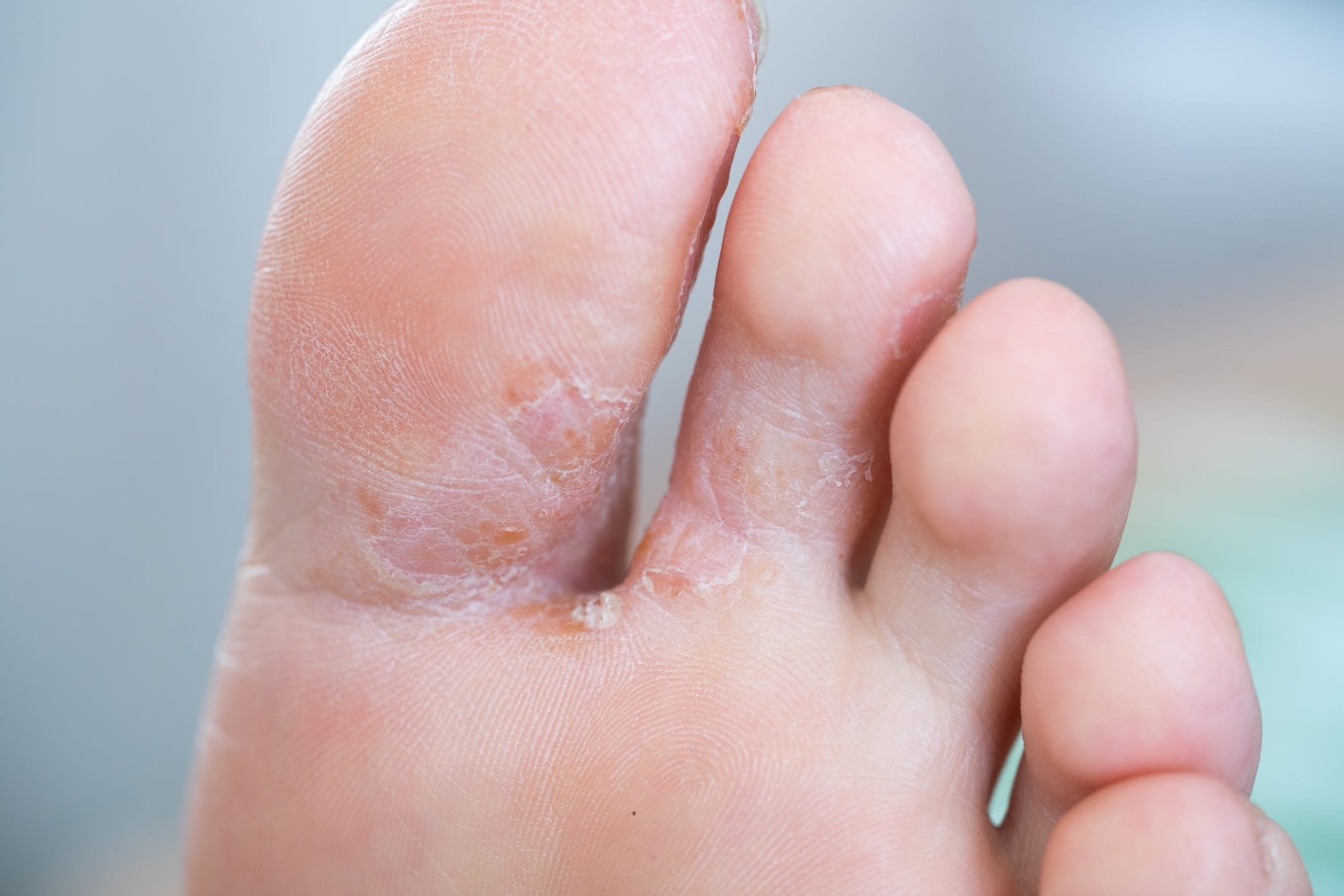 www.nirujahealthtech.comItchy Foot Blisters: Could Your Blisters Be Fungal? - Blister Prevention
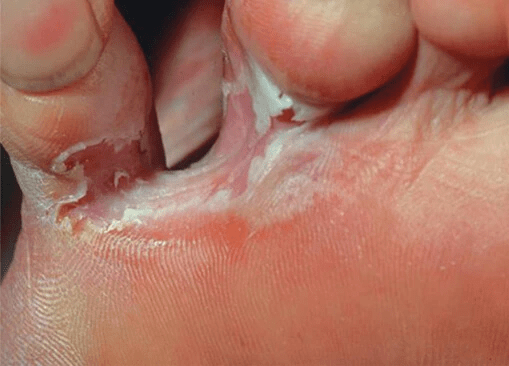 www.blister-prevention.cominterdigital causes blisters blister itchy peeling fungal tinea infection kože stopalima prstima nogama inflamed prevention koze blistered
Athlete athletes. Foot athlete even but athletes. Athlete’s foot: what is it and how to prevent it? > niruja healthtech