sickle cell anemia is an example of polygenic inheritance Sickle cell anemia inheritance awareness disease trait living person child september blood life usa pain gif oxygen joint health activities
Sickle-cell anemia is a condition that affects millions of people worldwide. It is a genetic disorder that affects the shape of red blood cells, causing them to become sickle-shaped, which results in a series of health issues. Despite this, it is still possible for individuals with sickle-cell anemia to live a fulfilling life, with appropriate care and management. One of the key factors in managing sickle-cell anemia is getting consistent medical attention and support. This includes regular visits with a healthcare professional to monitor the condition and address any complications. It’s also important to regularly take prescribed medication to reduce the frequency of painful episodes, which occur when the sickle-shaped cells block blood flow. Another important aspect of managing the condition is staying well-hydrated. This helps to keep blood flowing smoothly and can reduce the frequency of painful episodes. Drinking plenty of water and other fluids, such as juice and herbal tea, can help maintain hydration levels. Diet can also play a role in managing sickle-cell anemia. Eating a healthy, balanced diet can help provide the necessary nutrients that the body needs to function properly. Iron-rich foods, such as spinach, red meat, and fortified cereals, can help combat the anemia that often accompanies sickle-cell disease. It’s also important to include plenty of fruits, vegetables, and whole grains in one’s diet. While it may be difficult, maintaining a healthy level of physical activity is also important for managing sickle-cell anemia. Exercise can help improve blood circulation and reduce the risk of complications. However, it’s important to talk to a healthcare professional before beginning any new exercise regimen to ensure one’s safety. Living with sickle-cell anemia can also take a mental and emotional toll. It’s important to seek out support from loved ones, healthcare professionals, and support groups. Having people to talk to and lean on can make a significant difference in one’s quality of life. In conclusion, despite the challenges that come with sickle-cell anemia, it is still possible to live a fulfilling life with appropriate care and management. Getting consistent medical attention and support, staying well-hydrated, maintaining a healthy diet, staying physically active, and seeking out emotional support are all important aspects of managing the condition. With time, patience, and perseverance, individuals with sickle-cell anemia can thrive and accomplish their goals.
If you are searching about Sickle-Cell Anemia: Example of a “Beneficial Mutation”? | Creation you’ve came to the right web. We have 5 Pictures about Sickle-Cell Anemia: Example of a “Beneficial Mutation”? | Creation like Health: Living with Sickle Cell Anemia – Genesis International, Sickle Cell Anemia Stems from Odd-shaped Blood Cells Being Unable to and also Sickle-Cell Anemia: Example of a “Beneficial Mutation”? | Creation. Here you go:
Sickle-Cell Anemia: Example Of A “Beneficial Mutation”? | Creation
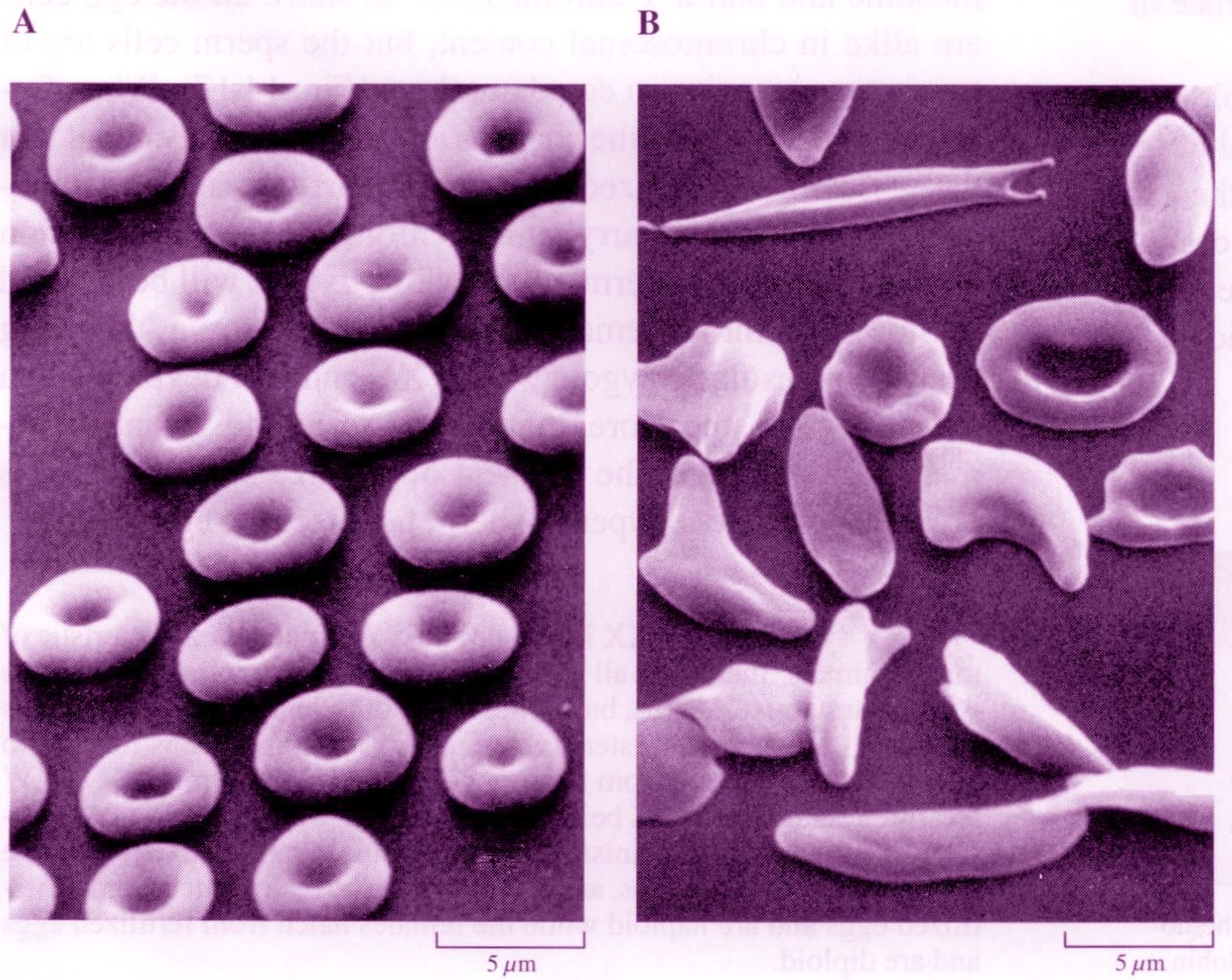 creationbc.orgsickle cell anemia mutation example beneficial sickled normal
Sickle Cell Anemia Stems From Odd-shaped Blood Cells Being Unable To
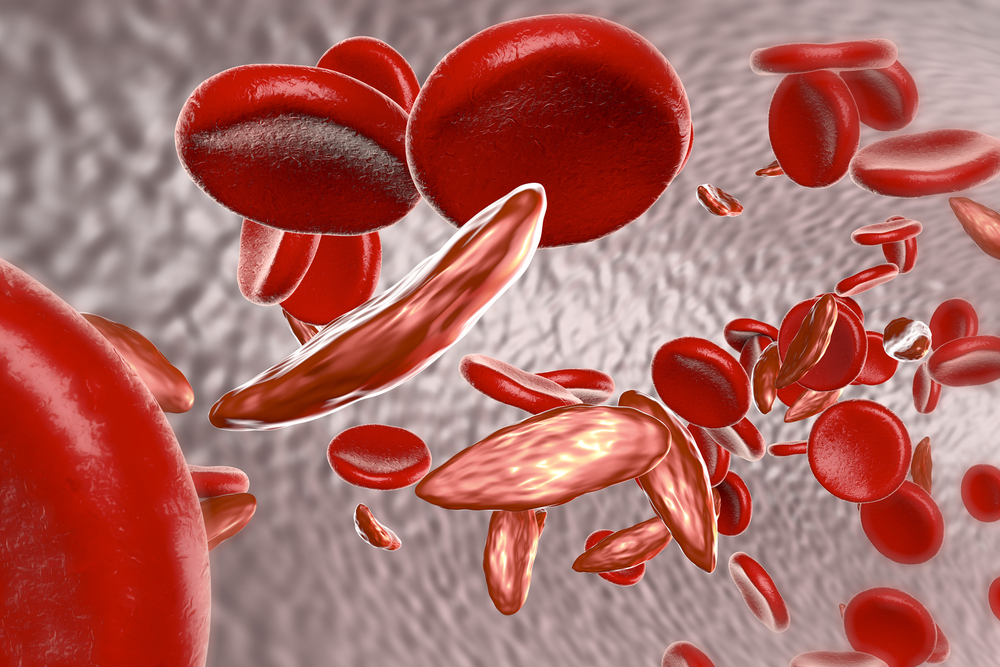 sicklecellanemianews.comanemia cell sickle blood cells being shaped
Pin On Anemia | Nursing
 www.pinterest.comsickle cell anemia blood nursing nephropathy disease mutation cells red medical inheritance hemoglobin kidney hematology point board gene normal infarctions
Health: Living With Sickle Cell Anemia – Genesis International
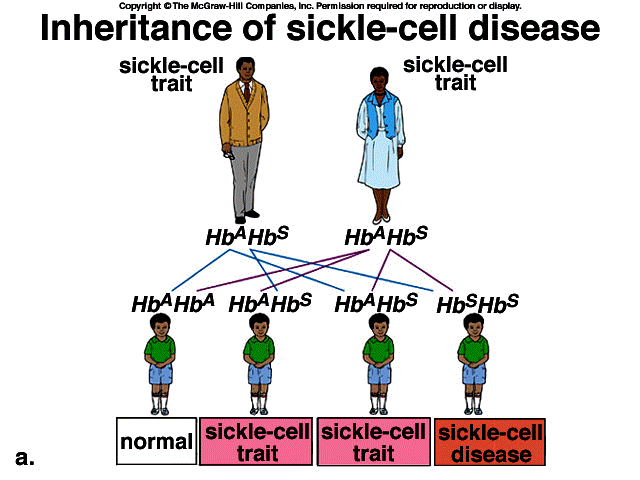 genesismagz.comsickle cell anemia inheritance awareness disease trait living person child september blood life usa pain gif oxygen joint health activities
Genetics And Pathophysiology Of Sickle Cell Anemia | Oncohema Key
 oncohemakey.comsickle cell anemia genetics pathophysiology gene parent
Health: living with sickle cell anemia – genesis international. Sickle cell anemia stems from odd-shaped blood cells being unable to. Sickle cell anemia genetics pathophysiology gene parent