when do doctors check for gestational diabetes What is gestational diabetes? signs, symptoms and more
Gestational Diabetes 101: Understanding the Symptoms, Causes, and Treatment Pregnancy is a beautiful journey for women, but it also comes with its own set of challenges. One such challenge that can arise during pregnancy is gestational diabetes. Gestational diabetes is a form of diabetes that occurs during pregnancy. It is caused by the hormones produced during pregnancy that can lead to insulin resistance, resulting in high blood sugar levels. Symptoms: Gestational diabetes often shows no symptoms. However, some women may experience symptoms such as increased thirst, frequent urination, and fatigue. These symptoms can also be associated with common pregnancy symptoms, which is why it’s essential to stay vigilant during your prenatal check-ups. Risk Factors: There are certain risk factors associated with gestational diabetes. Women who are overweight or have a family history of diabetes are at a higher risk of developing gestational diabetes. Women who have had gestational diabetes during previous pregnancies are also more likely to develop it again. Diagnosis: Gestational diabetes can be diagnosed through a glucose screening test. This test is usually performed between the 24th and 28th week of pregnancy. If the initial screening test shows high blood sugar levels, a diagnostic test will be performed to confirm the diagnosis. Treatment: The treatment for gestational diabetes involves making lifestyle changes such as following a healthy diet, exercising regularly, and monitoring blood sugar levels. In some cases, women may also need to take medication to manage their blood sugar levels. Monitoring: Women with gestational diabetes will need to monitor their blood sugar levels regularly. This can be done by using a glucometer at home. Your healthcare provider will provide you with the necessary guidance and support to help you manage your blood sugar levels effectively. Risks for the Baby: Gestational diabetes can increase the risk of complications for the baby. These complications include macrosomia (a large baby), hypoglycemia (low blood sugar levels), respiratory distress syndrome, and jaundice. Conclusion: Gestational diabetes is a common condition that can occur during pregnancy. It’s important to understand the symptoms, risk factors, diagnosis, and treatment options for this condition to manage it effectively. Women with gestational diabetes can have healthy pregnancies and give birth to healthy babies with proper management and medical support. Talk to your healthcare provider if you have any concerns about gestational diabetes during your pregnancy.
If you are looking for Gestational Diabetes And Chelation Therapy - EDTA Chelation Therapy UK you’ve visit to the right place. We have 5 Pictures about Gestational Diabetes And Chelation Therapy - EDTA Chelation Therapy UK like Gestational Diabetes And Chelation Therapy - EDTA Chelation Therapy UK, Gestational Diabetes 101: Symptoms, Causes & Treatment - Homage Malaysia and also How Do You Get Gestational Diabetes?: All You Should to Know. Read more:
Gestational Diabetes And Chelation Therapy - EDTA Chelation Therapy UK
 cardiorenew-europe.comdiabetes gestational pregnancy during sugar deal symptoms blood levels prevent treatment causes risk reduce pregnant diet manage food problem type
Gestational Diabetes 101: Symptoms, Causes & Treatment - Homage Malaysia
 www.homage.com.mydiabetes gestational homage pregnancy
Why Do You Get Gestational Diabetes - DiabetesProHelp.com
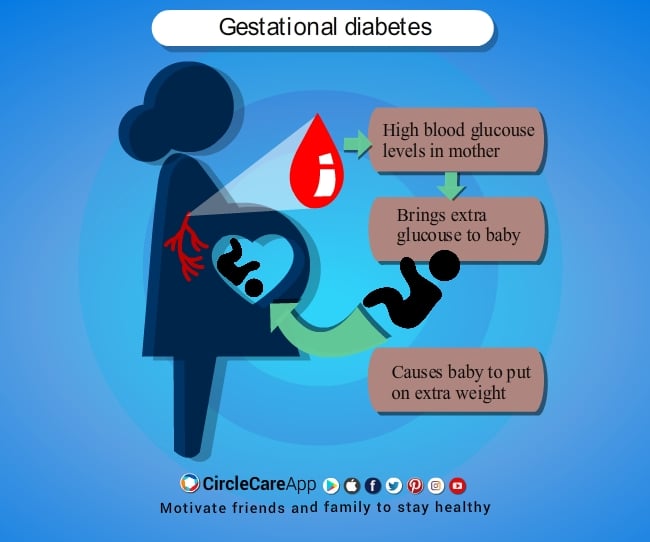 www.diabetesprohelp.comHow Do You Get Gestational Diabetes?: All You Should To Know
 starhealthline.comgestational xb100
What Is Gestational Diabetes? Signs, Symptoms And More | Main Line Health
 frontdoor.mainlinehealth.orggestational glucose expectant monitor
Gestational diabetes and chelation therapy. Gestational glucose expectant monitor. Diabetes gestational homage pregnancy